
<- Mouse above the image to enlarge
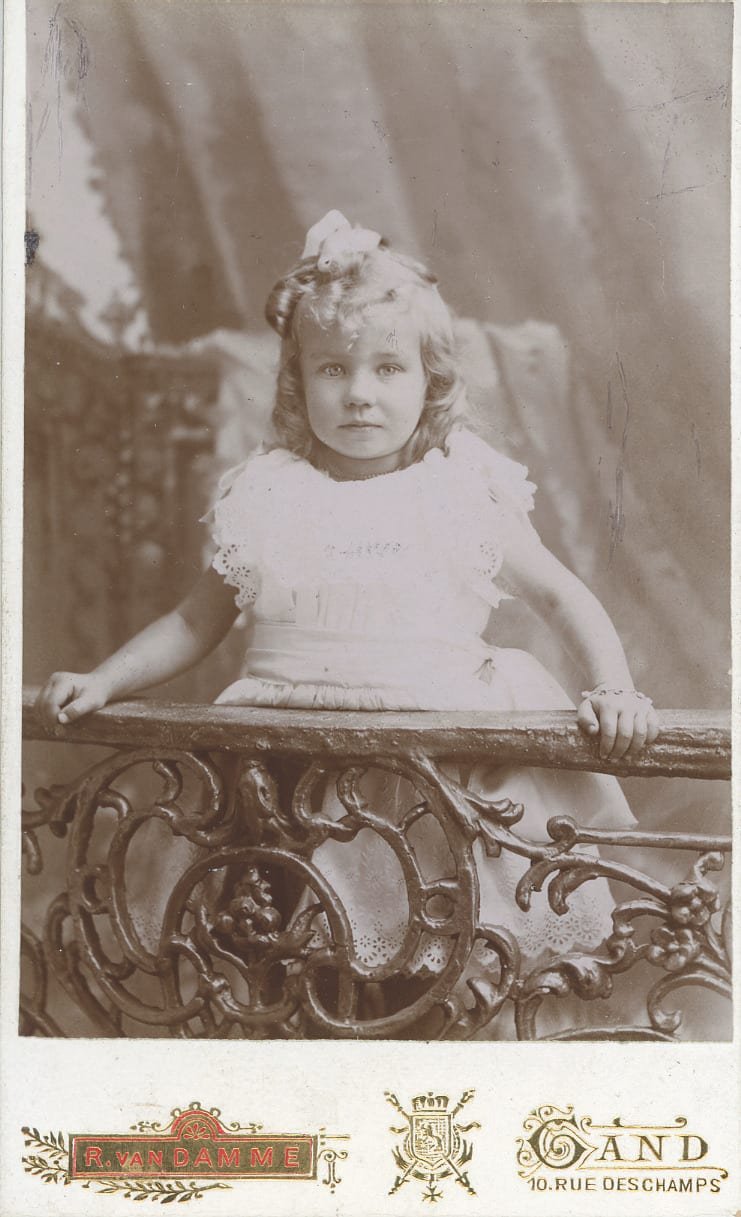
Christine de Hemptinne was the daughter of Count Alexandre de Hemptinne (1866–1955) and Countess Elsé de Kerchove de Denterghem (1873–1939). Her father came from a wealthy family of textile industrialists but gained recognition in his own right as a physicist. Christine was initially educated at home and later completed her schooling at an elite school in Paris.
<- Mouse above the image to enlarge
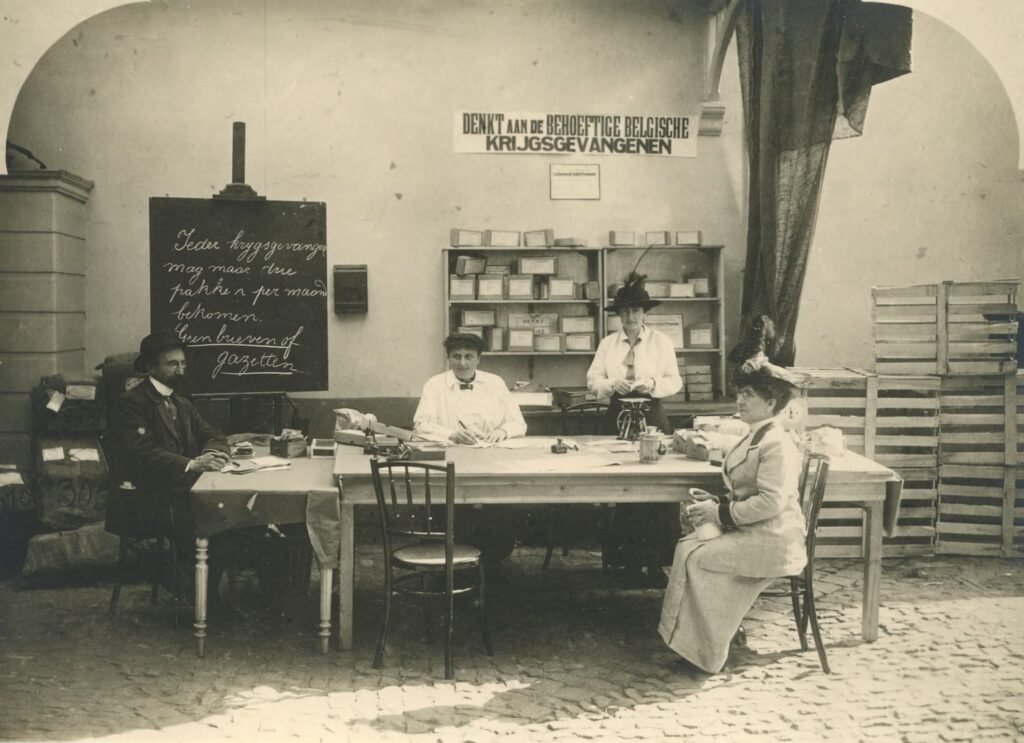
Following in her mother’s footsteps, she devoted herself to assisting war victims during the First World War. After the war, she began teaching catechism classes in working‑class neighbourhoods in Ghent and organised training courses aimed at preparing Catholic women for leadership positions within Catholic Action. This movement, initiated by Pope Pius XI, called for the participation of laypeople and lay organisations in the “re‑Christianisation” of society.
<- Mouse above the image to enlarge
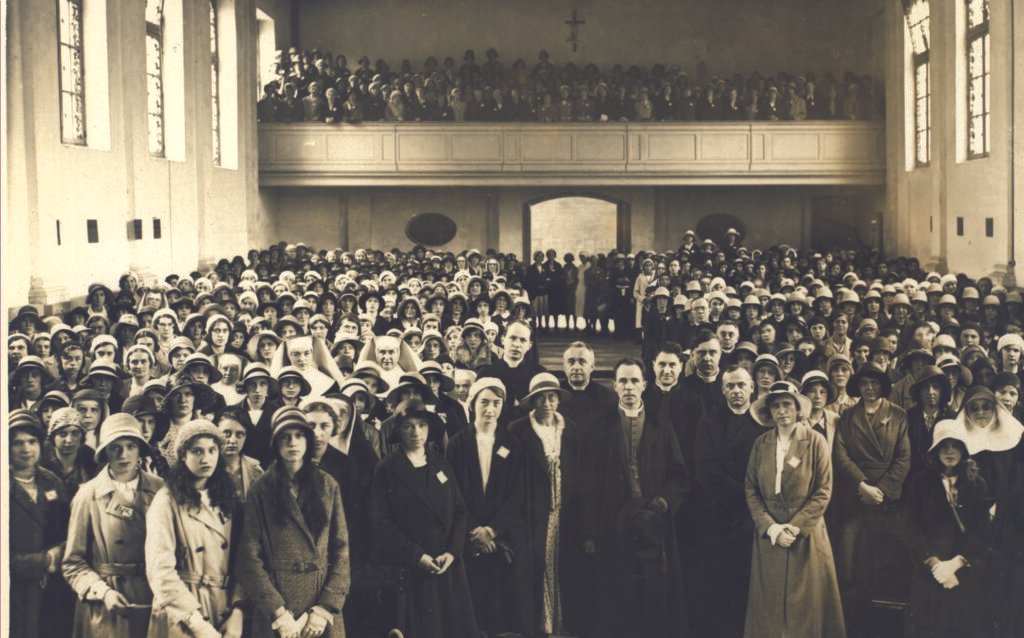
In 1923, she was appointed president of the Women’s Youth League for Catholic Action by the then Archbishop of Mechelen, Cardinal Mercier. Shortly thereafter, she took her first steps onto the international stage. In 1926, she helped establish an international umbrella organisation for women’s youth associations, which she chaired for thirty years.
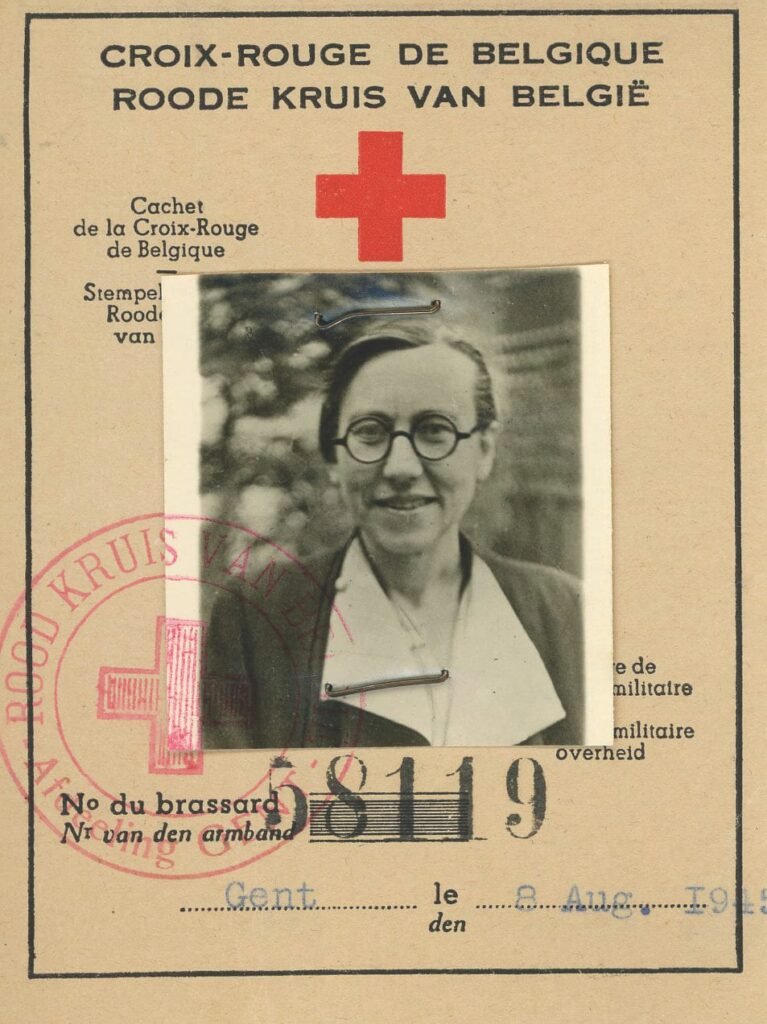
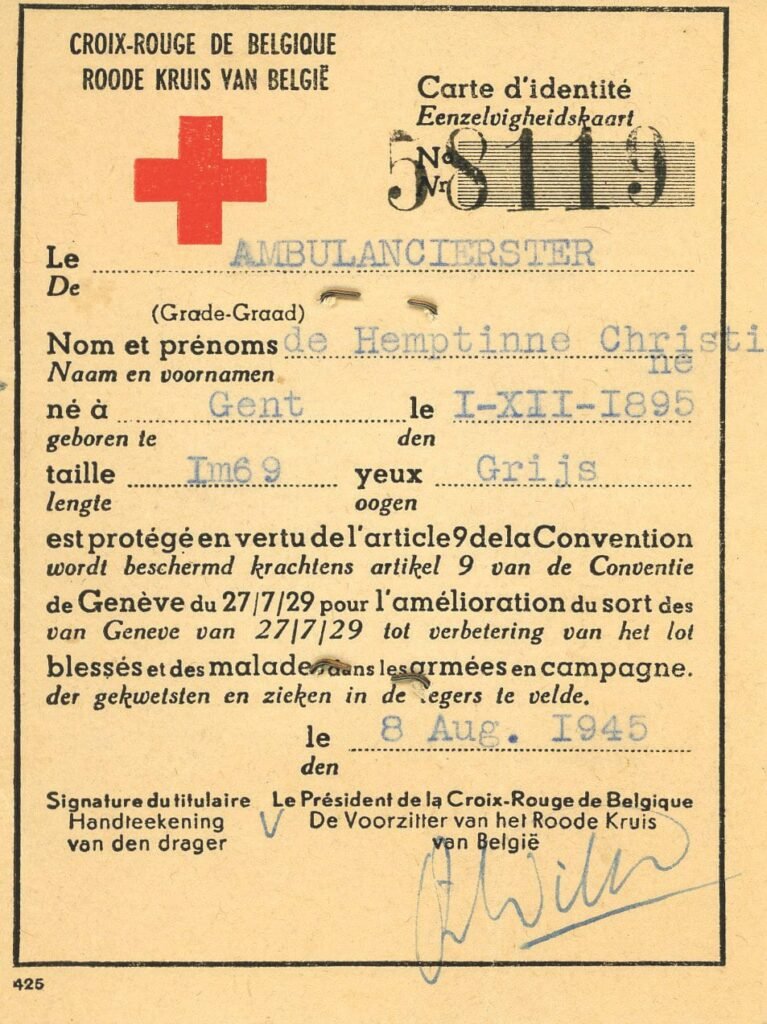
<- Mouse above the image to enlarge
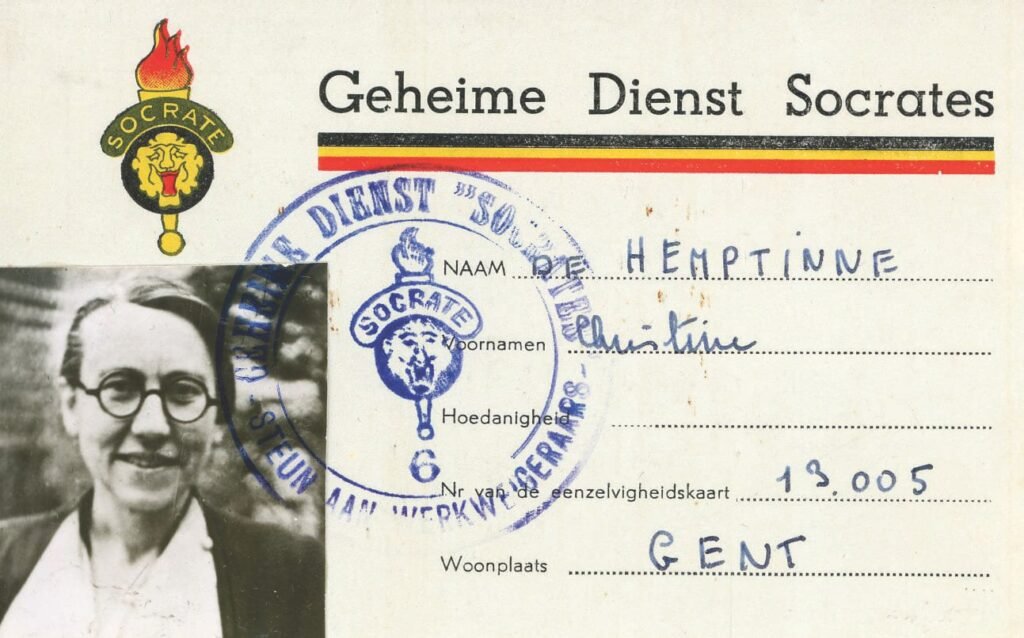
During the Second World War, Christine de Hemptinne was actively involved in the resistance: the clandestine networks that worked to oppose and disrupt Nazi occupation through secret support, information gathering, and protective actions. One such Belgian network was the Socrates Group, which brought together individuals committed to armed and humanitarian forms of resistance. She also played a key role in the founding of the Ghent School of Social Work and initiated an aid organisation for families that would later develop into Familiehulp (Family Care).
These initiatives further enhanced her prestige both domestically and internationally in the postwar period. She was regarded as a war hero. Thus, her wartime activism legitimised and propelled the expansion of her postwar commitments. She travelled extensively, delivering lectures and training sessions around the world, maintained close contacts with the Vatican, and took part in meetings of the United Nations.
Photographs:
- Christine de Hemptinne as a three-year-old child (1898). KADOC-KU Leuven, Photo collection: KFA9324
- View of the room where Christine de Hemptinne and other members of Ghent’s middle-class community committed themselves to aiding victims during the First World War.KADOC-KU Leuven, Archives Christine de Hemptinne: 998
- Participants at the congress in Roeselare of the Vrouwelijke Katholieke Studerende Jeugd (Female Catholic Student Youth), a Flemish youth association (1931). Christine de Hemptinne is at the centre. KADOC-KU Leuven, Photo collection: KFA9213
- Card from the Red Cross, for which Christine de Hemptinne worked as a paramedic (1945). KADOC-KU Leuven, Archives Christine de Hemptinne: 924
- Identification card of the Socrates resistance movement, in which Christine de Hemptinne was involved during the Second World War. KADOC-KU Leuven, Archives Christine de Hemptinne: 910