
The phrase “Wellbehaved women seldom make history” was coined by the historian Laurel Thatcher Ulrich in a scholarly article published in 1976 in American Quarterly. Originally intended as a critical observation about the historical invisibility of women who conformed to social norms, the phrase highlighted how traditional standards of female “virtue” often excluded women from historical records and celebrated transgression for its own sake.
This exhibition shows that history is shaped not only by institutions or by rebellious women, but also by those who acted, negotiated, and intervened from less visible or constrained positions. It underscores how some laywomen operated in a space between recognition and marginality, revealing the subtle yet significant ways they influenced international and religious life. Although many of these women were acknowledged and respected in their own time, historical narratives have since overlooked them, leaving their contributions far less known today.
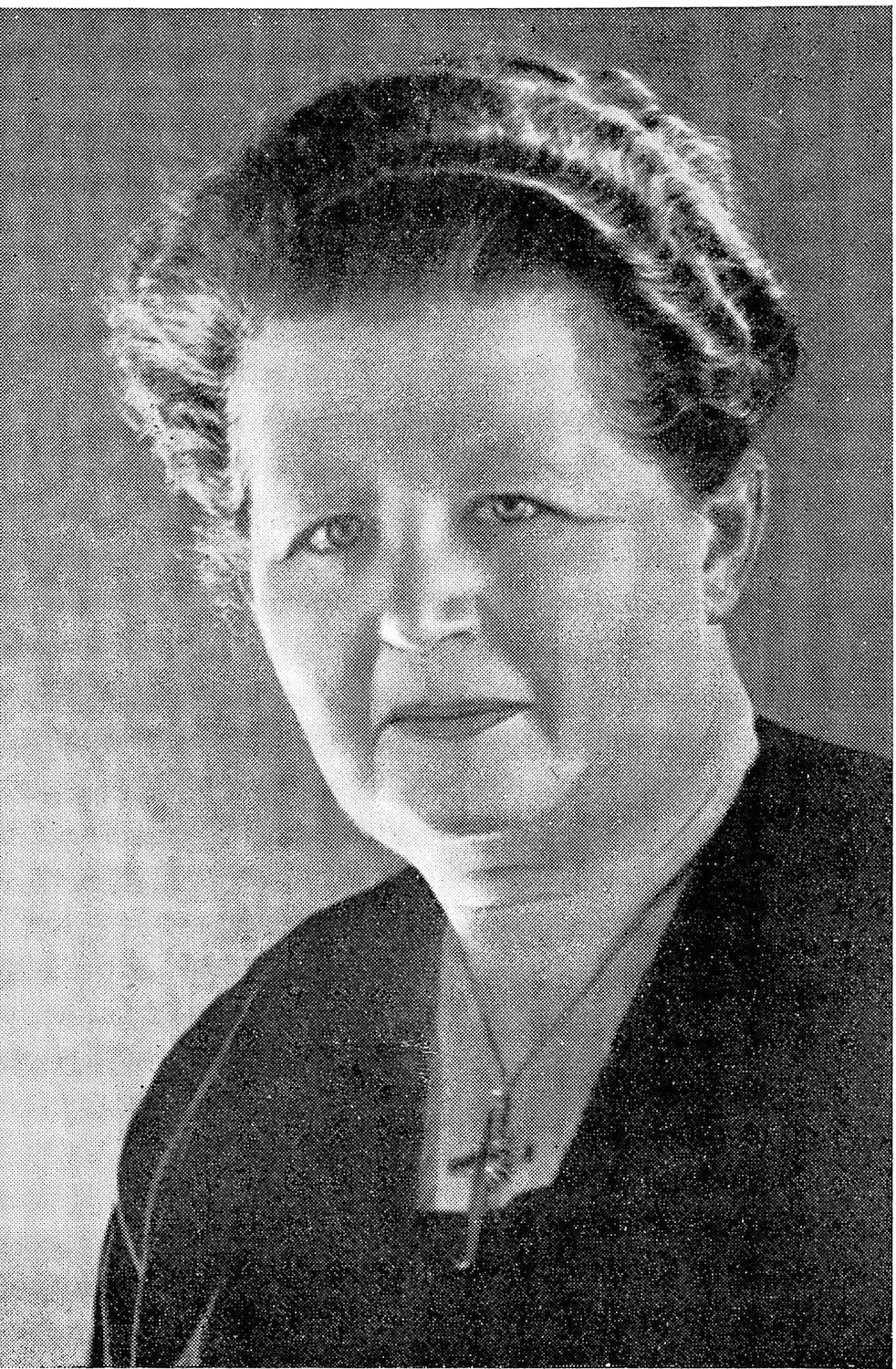
<- Mouse above the image to enlarge
Florentine Steenberghe‑Engeringh (1875–1952)
Florentine Steenberghe‑Engeringh (1875–1952) was a prominent figure in both Dutch and international Catholic women’s activism. From 1919 to 1936, she served as president of the Catholic Women’s League in the Netherlands. Politically active, she was a member of the Dutch Catholic Party and appeared several times on its candidate lists in national elections. Her international influence expanded significantly in 1922, when she became president of the International Union of Catholic Women’s Leagues, a position she held until her death in 1952.
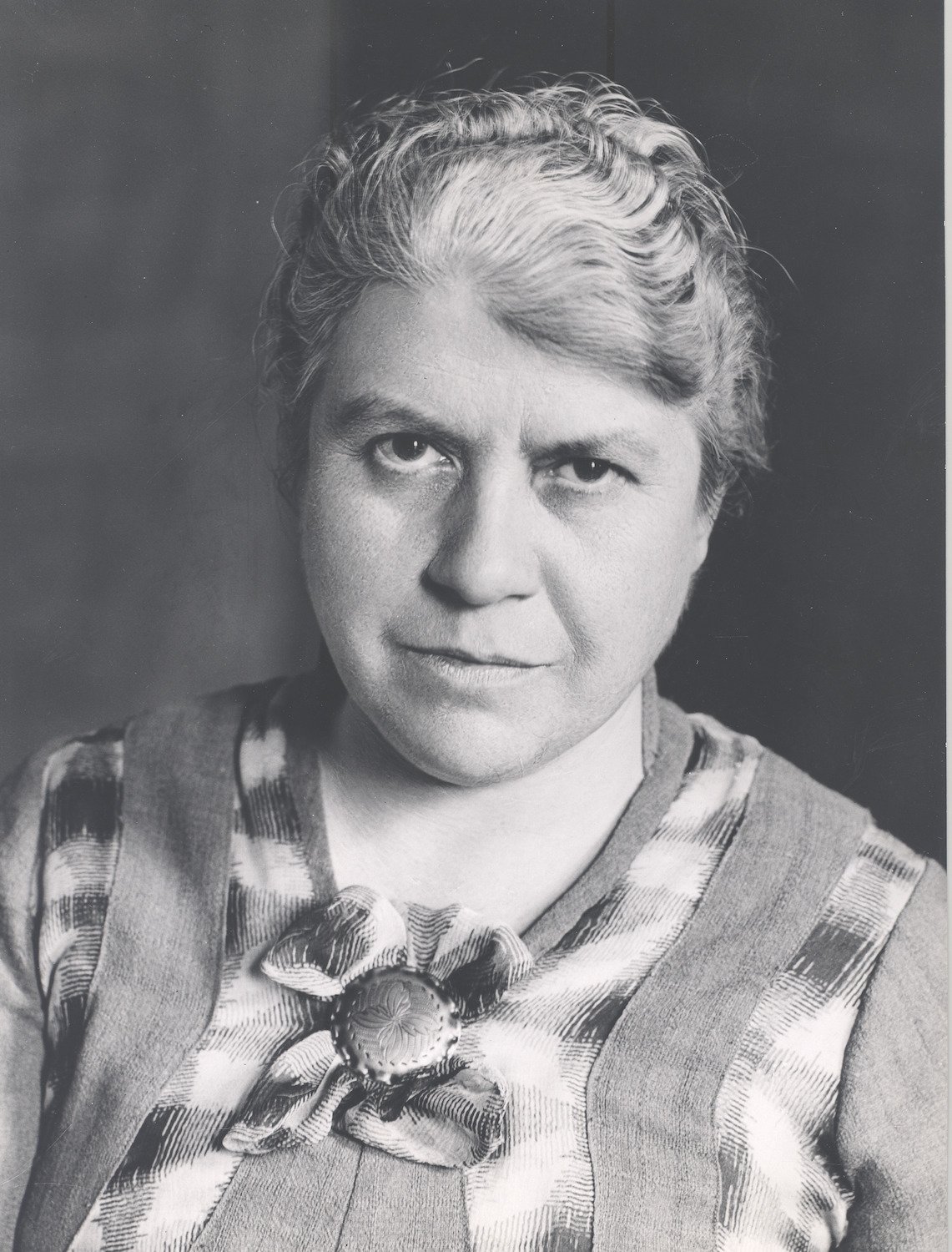
<- Mouse above the image to enlarge
Maria Baers (1883–1959)
Maria Baers (1883–1959) was involved in the Belgian Catholic women’s movement from an early age. Before the First World War, she co‑led the General Secretariat of the Christian Women’s Trade Unions of Belgium, the predecessor of the Christian Working Women’s Guilds, of which she served as president from 1920 to 1951. She was also active in the international labour movement and in the International Union of Catholic Women’s Leagues, speaking at numerous international congresses on workers’ and women’s rights. In 1936, she was co‑opted into the Belgian Senate by the Catholic Party, becoming the first female Catholic senator in Belgium, a position she held until 1954.
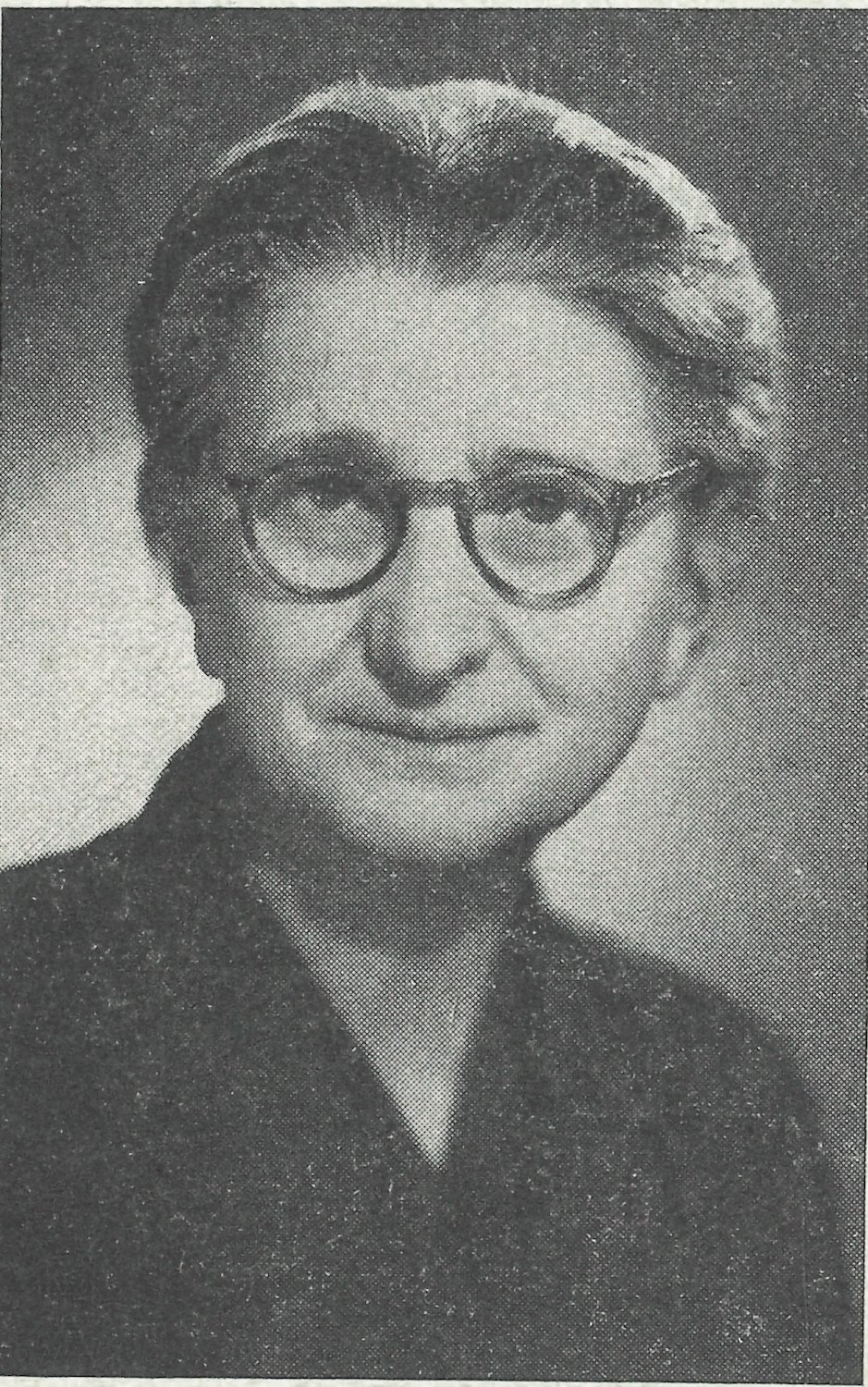
<- Mouse above the image to enlarge
Marie du Rostu (1891–1979)
Marie du Rostu (1891–1979) played a crucial role in shaping Catholic Action for women in France after the First World War. She began her engagement in the youth section of the Catholic Women’s League and, in 1933, became general secretary of the Women’s League for Catholic Action in France. Together with Christine de Hemptinne, she helped found the World Federation of Catholic Young Women in the 1920s and served as its vice president. From 1952 to 1961, she was president of the International Union of Catholic Women’s Leagues. After the Second World War, she contributed to the development of parish‑based formation programmes for Catholic women in France.
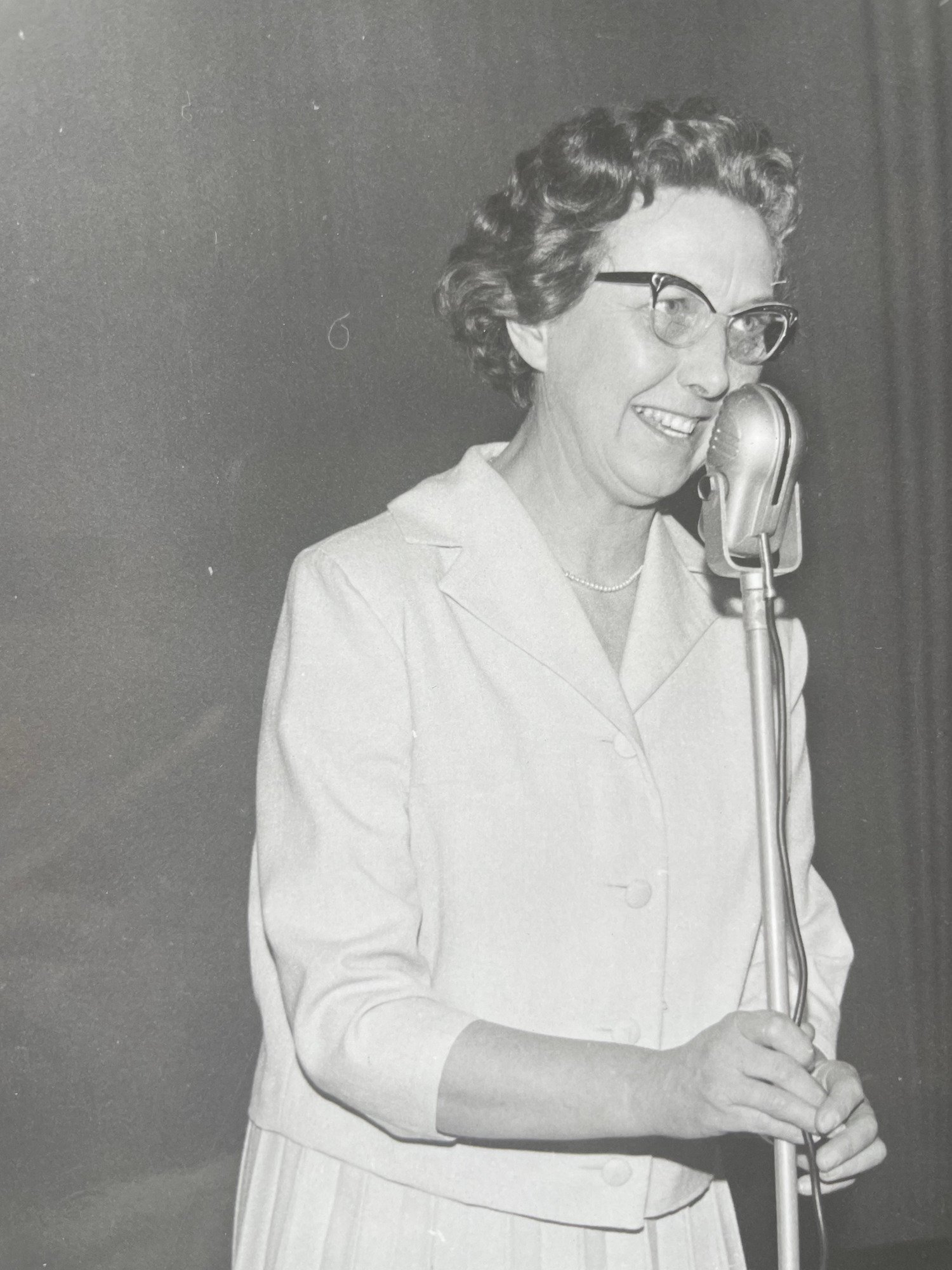
<- Mouse above the image to enlarge
Rie Vendrik (1908–1982)
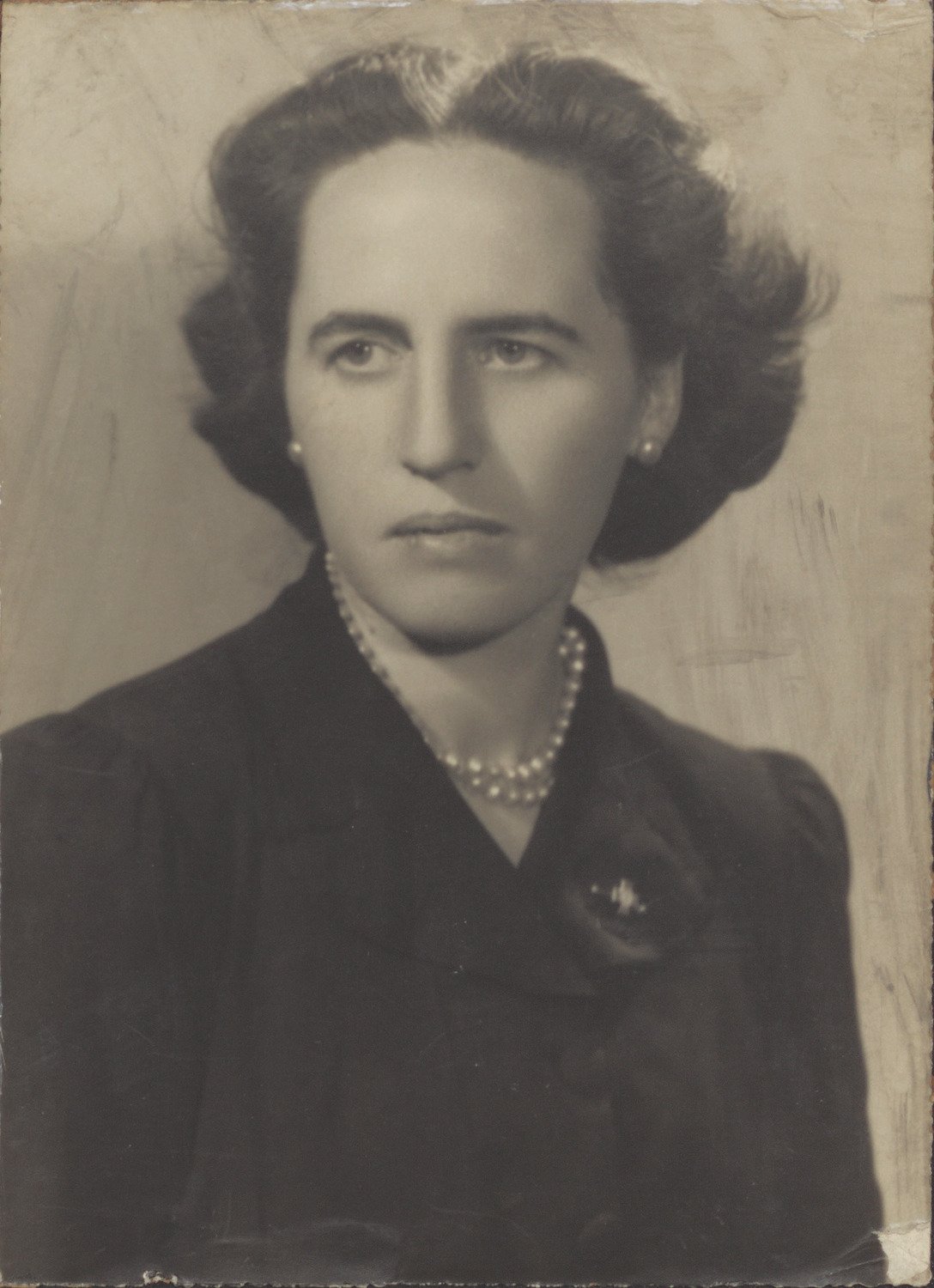
Rie Vendrik (1908–1982) began her professional life as a teacher in Utrecht and became active in Catholic youth work in the Netherlands, where she quickly assumed leadership roles. In 1945, she co‑founded the Catholic Young Women’s Movement and became its first national president. From 1948 onward, she served on the board of the World Federation of Catholic Young Women and was its president from 1956 to 1964. In 1964, Vendrik was invited as an observer to the Second Vatican Council, where she focused on discussions concerning the Church in the modern world. She later participated in the Women’s Ecumenical Liaison Group and the Pontifical Study Commission on Women in Society and in the Church.
<- Mouse above the image to enlarge
Pilar Bellosillo (1913–2003)
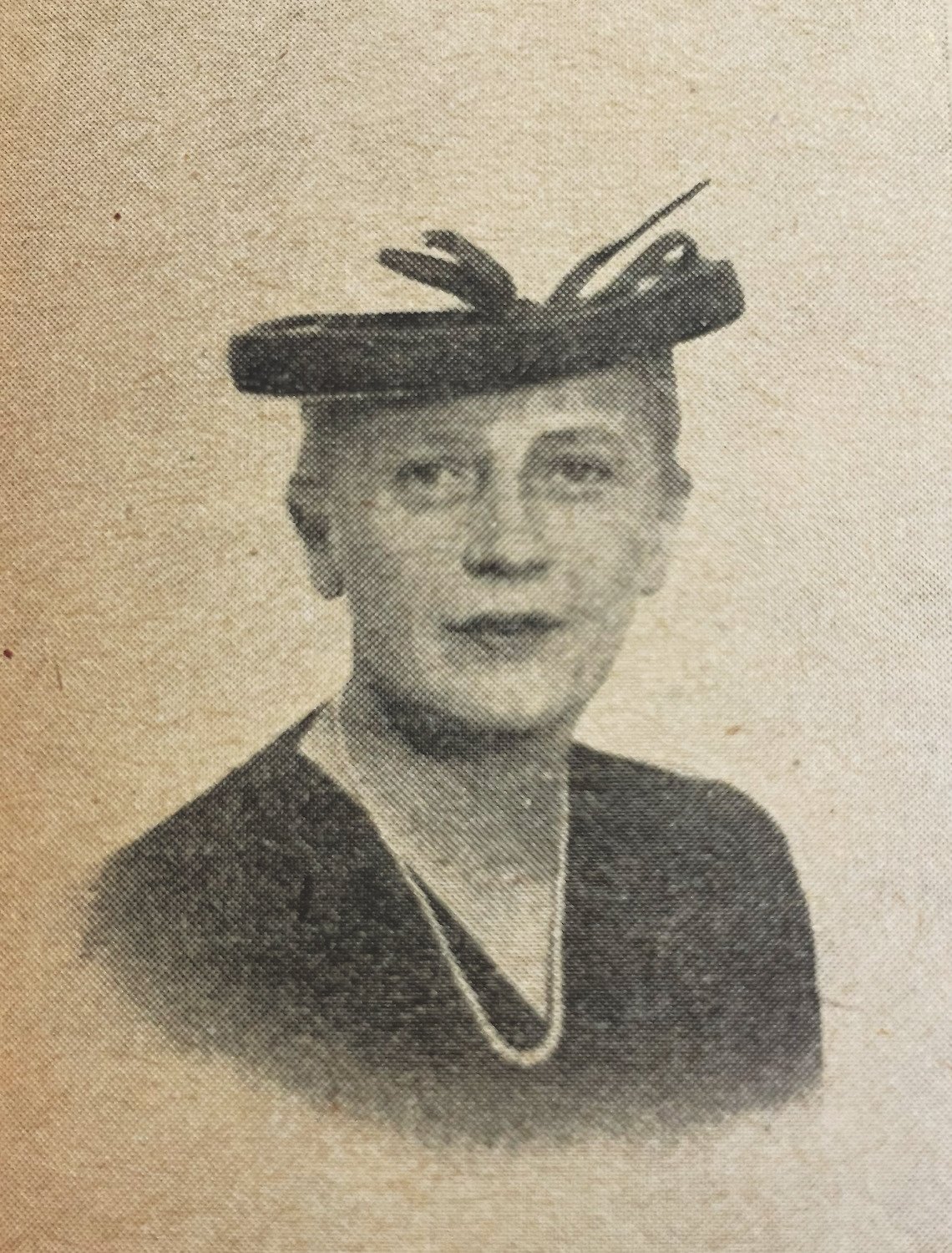
Pilar Bellosillo (1913–2003) was a leading figure in Spanish Catholic Action. She initially guided both the youth and adult women’s branches before rising to international prominence as president of the World Union of Catholic Women’s Organisations from 1961 to 1974. She served as an auditor at the Second Vatican Council, becoming one of the first women to participate officially in this kind of council. Bellosillo also played a key role in organising the First International Ecumenical Conference in Taizé in 1967. In Spain, she was active in Christian democratic politics and stood as a candidate in parliamentary elections.
<- Mouse above the image to enlarge
Catherine Schaefer (1907-1995)
Catherine Schaefer (1930-2017) became one of the key figures behind the early Catholic presence at the United Nations after the Second World War. In 1946, she was appointed by the American bishops as Director of the United Nations Affairs Office of the National Catholic Welfare Conference in New York. Through her involvement in the International Union of Catholic Women’s Leagues, she helped secure consultative status for Catholic women’s organisations with the United Nations Economic and Social Council. As a liaison between Catholic NGOs and the UN, she focused on the promotion of human and women’s rights, education for women, equal pay for men and women, and a wide range of social and economic issues
Photographs:
- KADOC-KU Leuven, Katholiek Documentatie Centrum
- Archivo de Pilar Bellosillo, Universidad Pontificia de Salamanca (UPSA)