
<- Mouse above the image to enlarge
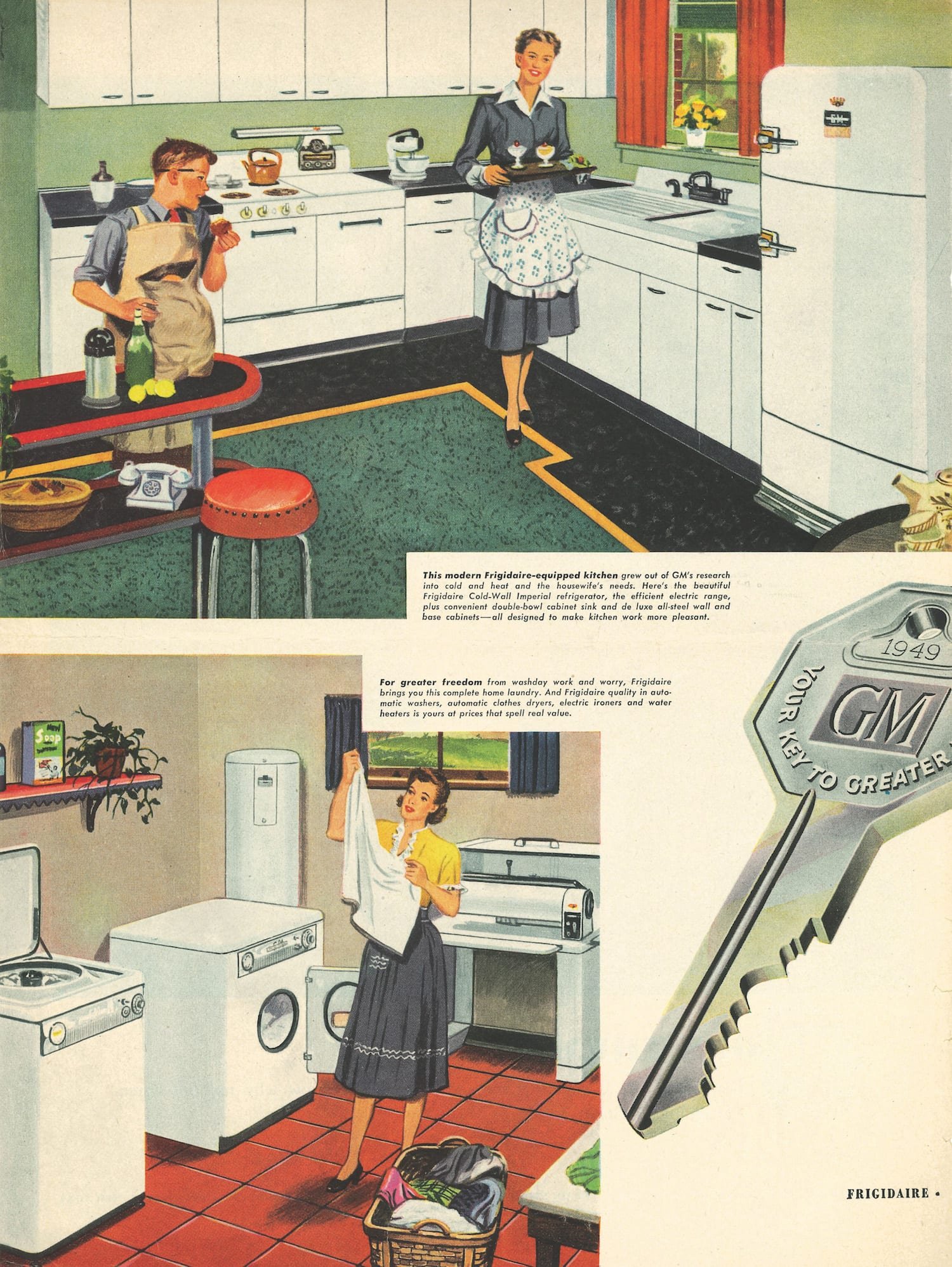
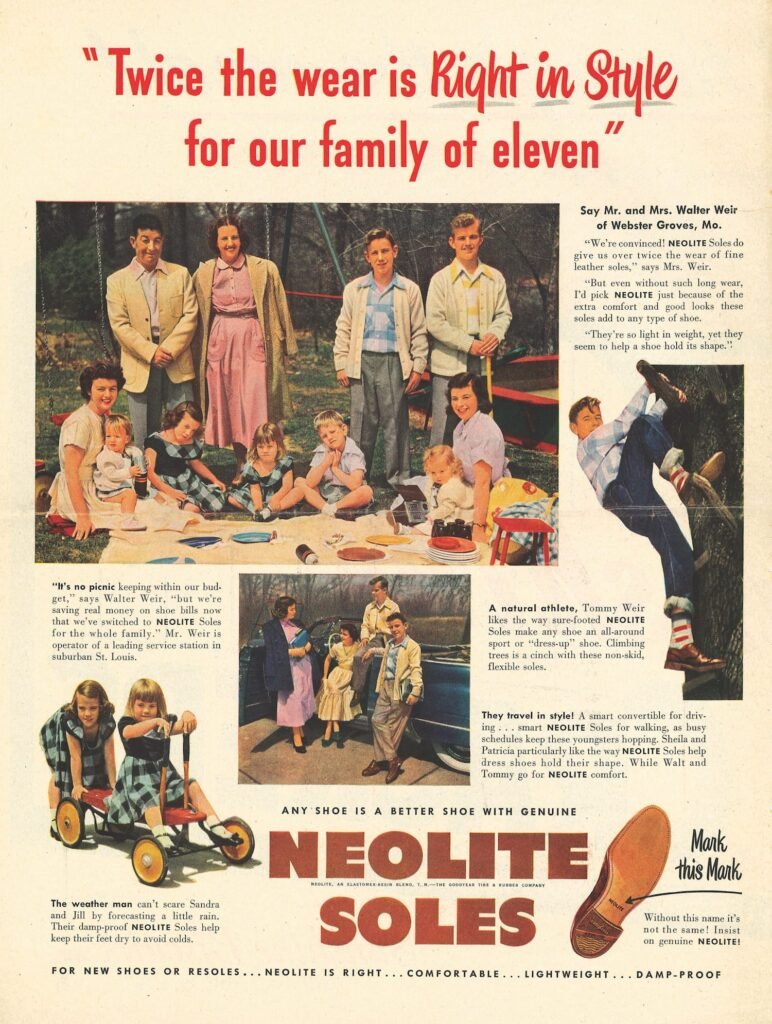
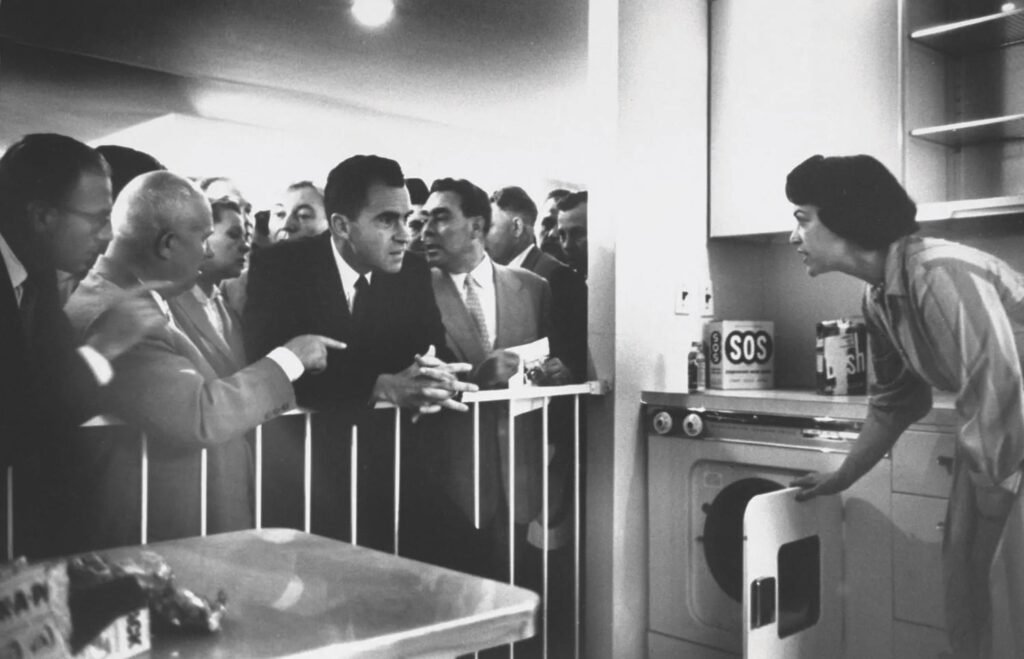
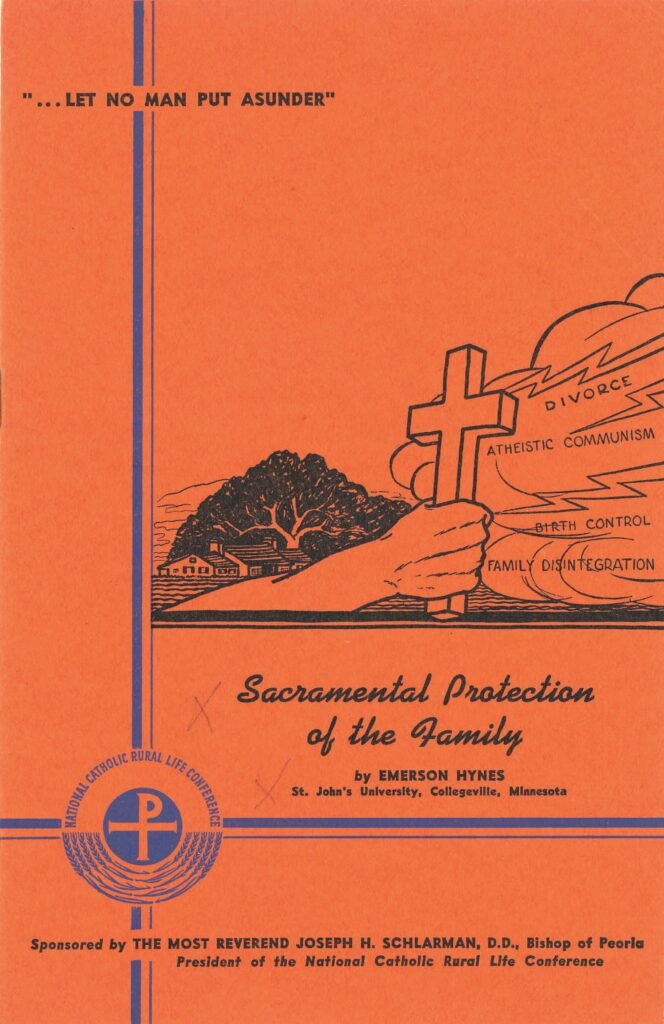
The position of women in postwar Western society was marked by ambiguity. The image of the mother and housewife remained the ideal to which women were expected to aspire. U.S. capitalist ideology reinforced this ideal: family life was portrayed as a bulwark against the expansion of atheistic communism. The role of the housewife became a symbolic battleground, memorably illustrated in 1959 by the famous “Kitchen Debate” between U.S. Vice President Richard Nixon and Soviet Premier Nikita Khrushchev.
Yet this ideal often clashed with reality. Even within the structures of the Church, unmarried, highly active, and influential laywomen emerged as leaders and world travellers.
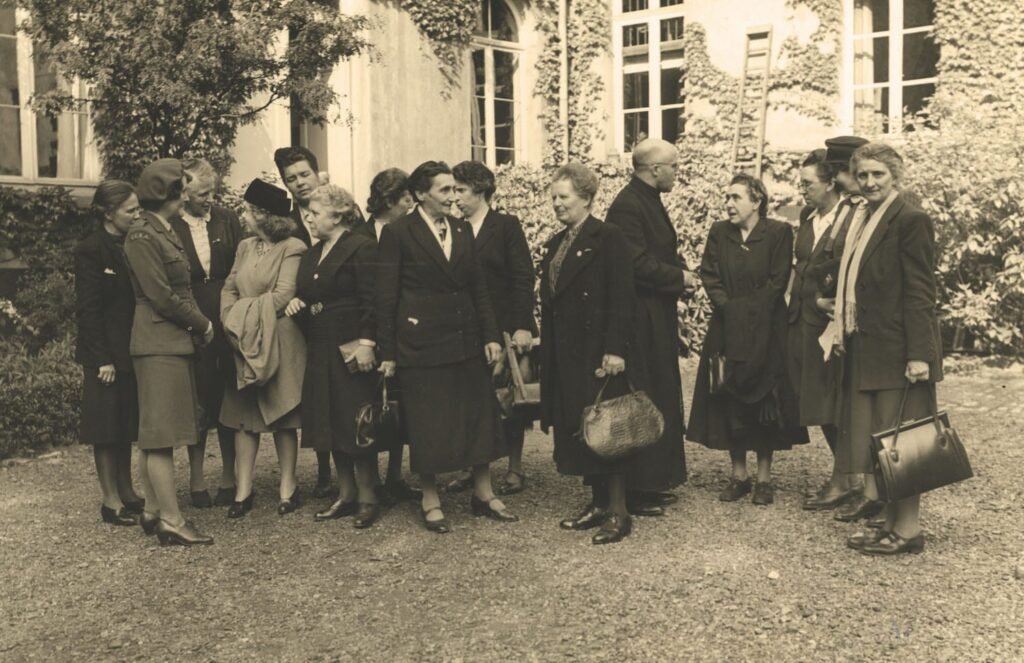
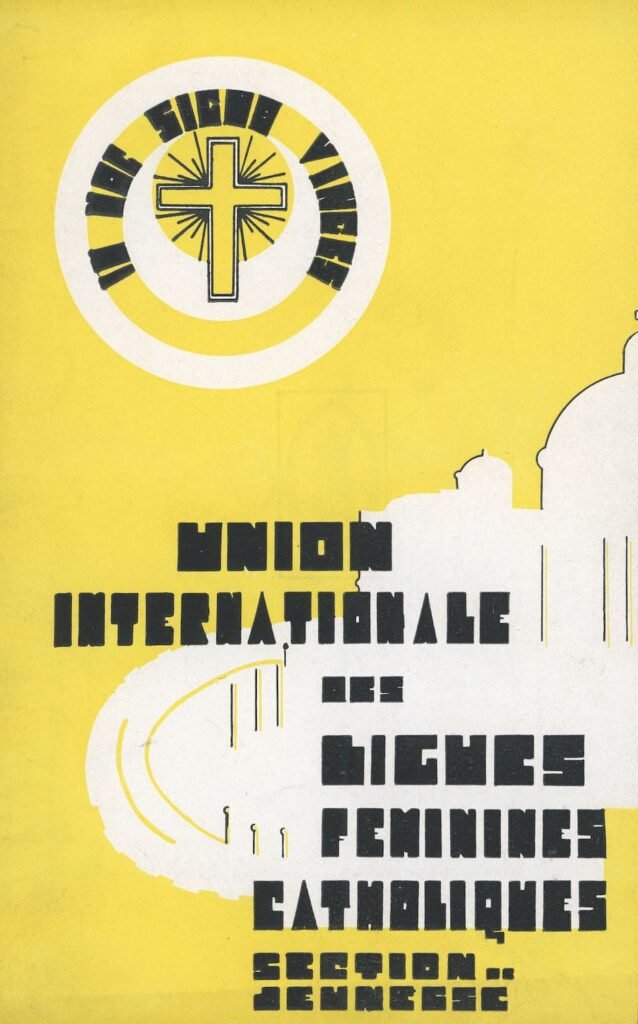
The Catholic women’s movement had its roots in the late nineteenth century. In many European countries, the first Catholic women’s organisations were established in the 1890s, often in response to already existing non‑Catholic initiatives. In order to unite Catholic women’s voices internationally, women’s organisations from eleven countries (including some Latin American women) founded the International Union of Catholic Women’s Leagues in Brussels in 1910. In 1926, Christine de Hemptinne played a key role in the establishment of the Union’s youth organisation, the World Federation of Catholic Young Women, and became its first president.
In 1952, the International Union of Catholic Women’s Leagues changed its name and became known as the World Union of Catholic Women’s Organisations (WUCWO).
Photographs:
- 1 and 2. Advertising campaigns expressing contemporary expectations of women and the ‘ideal’ gender balance in the family. They are preserved in the archives of Christine de Hemptinne. KADOC-KU Leuven, Archives Christine de Hemptinne: 532
- 3. The legendary Kitchen Debate between Vice President Richard Nixon and Soviet leader Nikita Khrushchev took place at an American exhibition in Moscow in 1959. In front of television cameras, both men debated which system – American capitalism or Soviet communism – offered a better life for the common man, but they also discussed the role of housewives and the way modern kitchen appliances could ease their lives. The LIFE Picture Collection/Getty Images
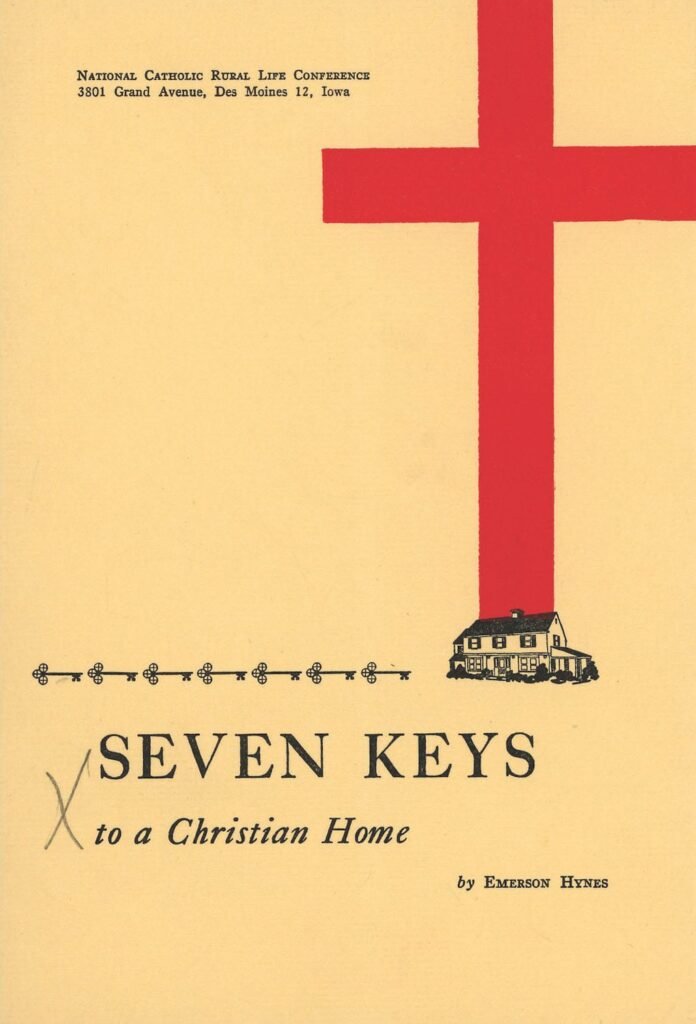
- 4 and 5. Sacramental Protection of the Family and Seven Keys to a Christian Home, two brochures promoting the ideal of the Christian family, collected by Christine de Hemptinne. KADOC-KU Leuven, Archives Christine de Hemptinne: 532
- 6. Delegates of the International Union of Catholic Women’s Leagues in Brussels (1946). KADOC-KU Leuven, Photo collection: KFA27
- 7. Brochure of the youth section of the International Union of Catholic Women’s Leagues, founded by Christine de Hemptinne, KADOC-KU Leuven, Heritage Library: KBRB262